returnoninvestment.auWhat spending brings back to a business
A guide published by Dotto
Return on investment: what a business’s own spending brings back
Behind every outlay are two figures: what it cost, and what it brings back. This guide weighs the spending a business does on itself, such as a machine, an energy upgrade or a project, using the formulas and worked examples that Australian government agencies publish.
General information, not tax, legal or financial advice. This guide is about a business’s spending on its own operations. It does not discuss investing money, and it does not name or rate any product, supplier or adviser.
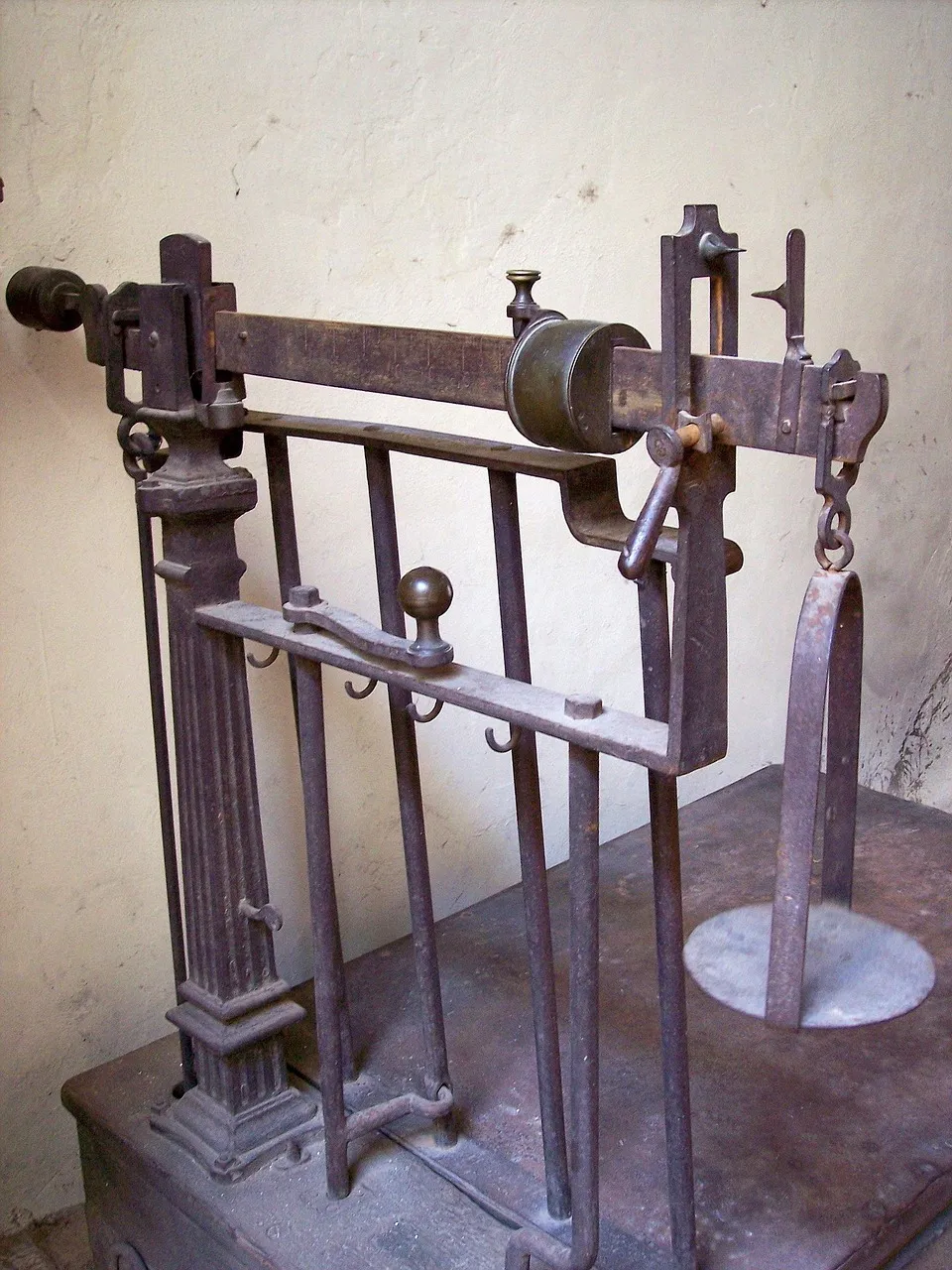
Six notches on the arm
Each guide takes one way of weighing spending against what it brings back, starting with the plainest ratio and ending with the rules on claims a seller makes about savings. Sources are listed at the foot of each page.
- Notch 1
What return on investment measures
The ratio, what goes on each side of it, and what one percentage cannot show.
- Notch 2
The break-even point
Where sales cover costs, worked from Business Queensland’s own bakery figures.
- Notch 3
The real cost of an asset
What the ATO counts in an asset’s cost, and when that cost is claimed.
- Notch 4
Payback on an energy upgrade
How many years an upgrade takes to repay itself, and which cost belongs in the sum.
- Notch 5
Costs and benefits, the government’s way
The Office of Impact Analysis method: nine steps, and discounting to today’s dollars.
- Notch 6
Claims about savings and returns
What the ACCC says about a seller’s figures, and when a business buyer has consumer guarantees.
The plainest weighing
Business Queensland’s formula for return on investment divides the net profit from an investment by what the investment cost, then multiplies by 100 to give a percentage. The glossary on business.gov.au describes the same figure as a measure of how efficiently a business turns its owners’ and shareholders’ money into profit.
- Cost of the spending
- $100
- Net profit it brings in
- $25
- Return on investment
- 25%
$25 ÷ $100 × 100 = 25%, using Business Queensland’s formula.
The reading is only as good as the two numbers that go in. Net profit, in Business Queensland’s terms, is what remains once every operating expense has come out of gross profit, including wages, rent, utilities, advertising, taxes, interest and one-off costs. On the other side, the ATO counts more in an asset’s cost than its price: delivery, installation and improvements go in too. The real cost of an asset sets out each part.
What a single percentage leaves out
As this guide reads it, an ROI figure carries no clock and no picture of what would have happened anyway. Government guidance on weighing costs and benefits deals with both, and Business Queensland adds two more cautions.
- When the money arrives The Office of Impact Analysis explains that people prefer a dollar now to a dollar later, so costs and benefits that fall in later years are discounted before they are compared. The method is in costs and benefits, the government’s way.
- The world without the spending The same guidance warns against comparing before with after. The fair comparison is the world with the change against the world without it.
- Cash as well as profit Business Queensland points out that profit is not the same as the cash a business has in the bank.
- Whether it covers the risk Once the break-even point is known, Business Queensland suggests deciding what return is reasonable for the level of risk. See the break-even point.
Where the figures come from
Each page draws on the public bodies below and lists the exact pages it used at its foot. Where an example is this guide’s own, the page says so and uses round numbers rather than real prices.
| Body | What this guide takes from it |
|---|---|
| business.gov.au | Definitions of return on investment and the break-even point; owning or leasing equipment; ways to pay for energy upgrades |
| Business Queensland | Formulas for return on investment, break-even and minimum sales, with its worked bakery figures |
| Australian Taxation Office | What counts in an asset’s cost, depreciation, and the instant asset write-off |
| energy.gov.au and the NSW Government | Payback periods for energy upgrades, and what an energy audit covers |
| Office of Impact Analysis | How the Australian Government weighs costs and benefits, and discounts later years |
| ACCC | The rules on claims about value and performance, and consumer guarantees when a business buys |
Business Queensland describes its break-even formula as a simplified one and suggests talking to an accountant, bookkeeper or tax agent when planning. The same holds for every sum here: they show how the weighing works, and a business’s own figures belong with its own adviser.